
A balanced plate for steadier energy throughout the day
A flexible way to build a meal with vegetables, protein, whole grains, and beneficial fats without turning food into a list of restrictions.
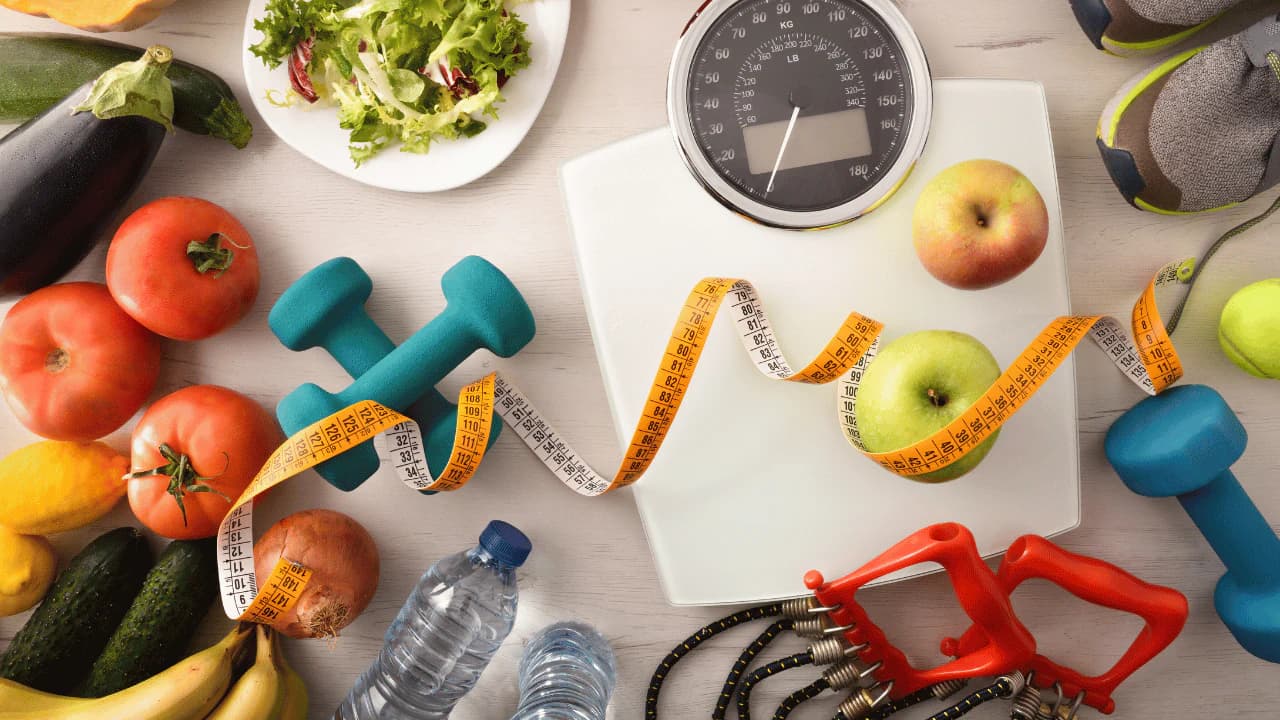
Balanced eating does not require complicated rules or measuring every bite. The simplest idea is to give your body a mix of nutrients that supports fullness and energy: varied vegetables and fruit, a source of protein, whole grains or another suitable carbohydrate, and a moderate amount of unsaturated fat. This framework is flexible and should be adapted to your health, food culture, and what is available at home.
Begin with what you can add to your plate
Instead of focusing on restriction, ask: what is this meal missing that would make it more satisfying? The answer might be more vegetables, an egg or legumes, a piece of fruit, or replacing some refined grains with whole grains. Gradual additions are often easier to sustain than changing your entire diet at once.
A range of colors does not guarantee a perfect meal, but it is a practical way to increase the variety of vegetables and fruit. Choose what you genuinely enjoy—fresh, frozen, or cooked—and pay attention to additions high in salt or sugar when relevant.
- Make vegetables a visible part of the meal whenever possible.
- Add a source of protein such as legumes, eggs, fish, or chicken according to your needs.
- Choose whole grains or less processed carbohydrate sources for some meals.
- Use plant oils, nuts, and seeds in amounts that suit your needs.
Steady energy does not depend on one ingredient
Meal timing, sleep, movement, medication, and health conditions can all affect appetite and energy. Combining protein, fiber, and fat in a meal may help some women feel full for longer, but it is not a stand-alone treatment for persistent fatigue or recurring symptoms.
If you live with diabetes, kidney disease, or a food allergy, or if you are pregnant or breastfeeding, you may need more precise adjustments. An individual assessment matters because general advice may not suit your situation.
A small plan for a realistic week
Choose one meal that repeats during your week and build on it. Add fruit or protein to breakfast, prepare enough vegetables for two days, or keep a quick option such as hummus, yogurt, or nuts nearby. Notice fullness, energy, and digestive comfort instead of chasing perfection.
Progress means making the healthy choice easier and more frequent. No single meal defines the health of your diet, and enjoying food is an important part of a balanced, sustainable relationship with it.