
Returning safely to movement after birth: progression before speed
Practical signs for a gentler postpartum start, and why individual recovery must come before any ready-made exercise schedule.
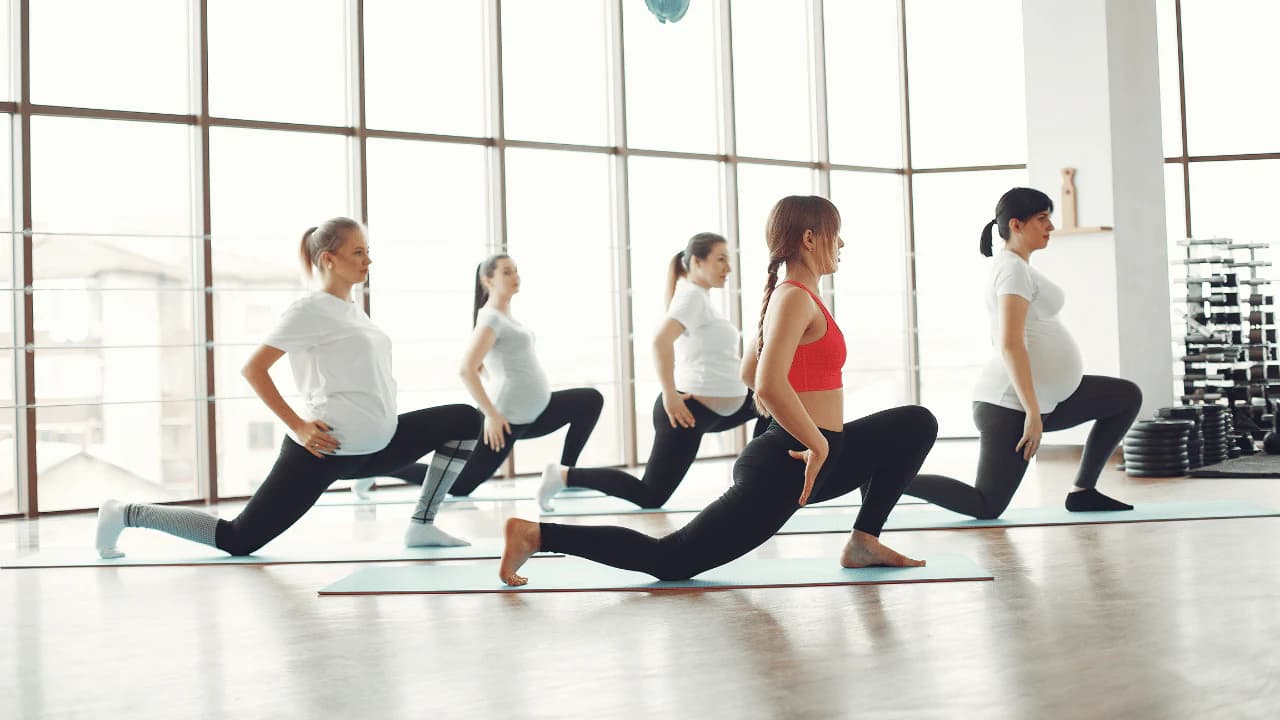
Returning to movement after birth is not a race, and there is no single timeline that suits everyone. The type of birth, wound healing, bleeding, pain, sleep, pelvic-floor health, and any complications all change the starting point. Approval from your care provider and progression guided by symptoms matter more than comparing yourself with another woman’s experience.
Begin with everyday recovery
In the first days and weeks, suitable movement may mean calm breathing, changing position, and short walks if they feel comfortable and are medically permitted. The goal is not to regain fitness quickly, but to notice your body’s response and give it time to heal.
Increase duration or intensity slowly, changing one factor at a time. If an increase causes pain, pelvic heaviness, heavier bleeding, or troublesome leakage, stop and seek an assessment instead of pushing your body to endure it.
- Choose low-intensity movement during which you can speak comfortably.
- Give recovery, sleep, and nutrition a place in your plan.
- Monitor symptoms during activity and in the hours afterward.
- Seek specialist guidance if you have pain or pelvic-floor symptoms.
Strength needs the right foundation
When an assessment permits it, simple resistance exercises can be introduced with attention to movement quality and breathing. An exercise feeling easy does not make it ineffective; regular repetition at the right dose may be more suitable than an intense class followed by prolonged fatigue.
After a caesarean birth, complications, or a long break from movement, you may need additional modifications. Pelvic-floor exercise is also not simply repeated tightening; some conditions require muscle relaxation or specialist assessment.
When should you seek urgent help?
Contact your care provider immediately if warning signs appear, such as chest pain, shortness of breath, severe dizziness, heavy bleeding, pain or swelling in one leg, fever, an unusually severe headache, or a sudden decline in your condition. Do not wait for your next exercise session to ask.
The return journey changes from week to week. Success is not measured by how quickly you regain a former shape, but by your ability to move safely and build strength that supports your daily life and self-care.